
Occupational medicine
Prevention
Prevention covers all measures that prevent accidents, illnesses and damage to health or detect them early. In companies, it combines workplace safety, health protection, occupational medicine and health promotion.
4 frequently asked questions · sources at the end of the article
What is it about?
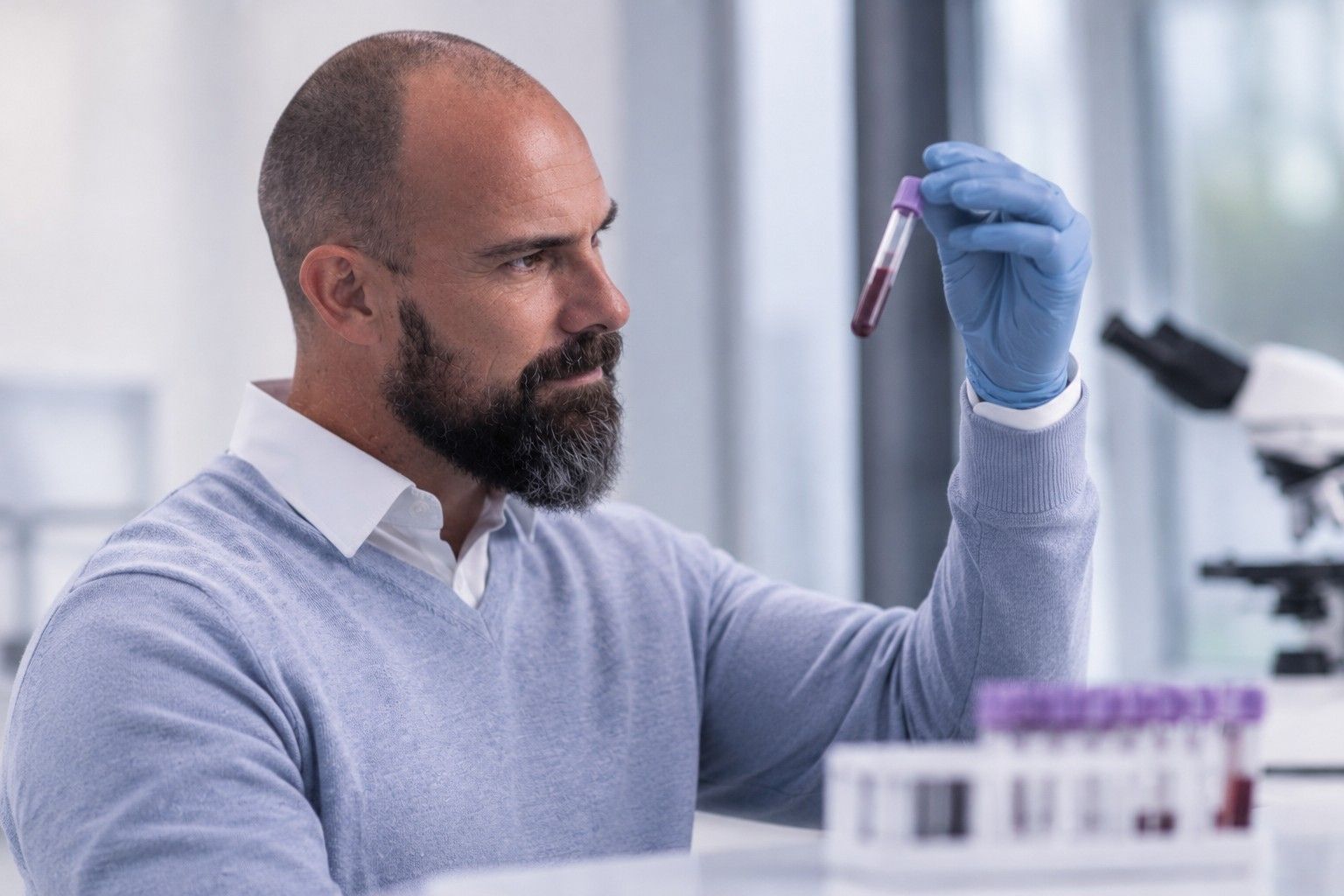
A distinction is made between primary prevention (preventing occurrence), secondary prevention (early detection, e.g. preventive check-ups) and tertiary prevention (limiting consequences, avoiding relapse, return to work). There is also structural prevention (working conditions) and behavioural prevention (people's behaviour).
Origin and purpose
Prevention is more effective and less expensive than treating the consequences. In the Swiss system, accident insurers, SECO, EKAS and Health Promotion Switzerland are important players.
Legal basis
- Swiss Accident Insurance Act (UVG), SR 832.20 – fedlex.admin.ch, Art. 81–88 (prevention of occupational accidents and occupational diseases)
- Swiss Labour Act (ArG), SR 822.11 – fedlex.admin.ch, Art. 6
- Accident Prevention Ordinance (VUV), SR 832.30 – fedlex.admin.ch
What the law requires
Employers must take measures to prevent occupational accidents and occupational diseases and protect health. Employees must follow instructions and use protective equipment (Art. 82 UVG).
What makes sense in practice
Structural prevention before behavioural prevention: first improve working conditions, then train behaviour. Plan measures in a measurable way and review them.
Who is this relevant for?
- All companies
- Managers
- People responsible for safety and health
Frequently asked questions about Prevention
What is structural prevention?
Measures relating to working conditions, e.g. quieter machines.
What is behavioural prevention?
Measures that influence behaviour, e.g. training.
What does secondary prevention include?
Early detection, e.g. preventive check-ups.
Is prevention worthwhile?
Yes, it reduces accidents, absences and costs.