
Anatomy and first responder care
Vital signs
Vital signs are the measured values of the body's vital functions: consciousness, breathing, pulse, blood pressure, oxygen saturation, body temperature and blood sugar. They help to assess a person's condition and detect changes.
4 frequently asked questions · sources at the end of the article
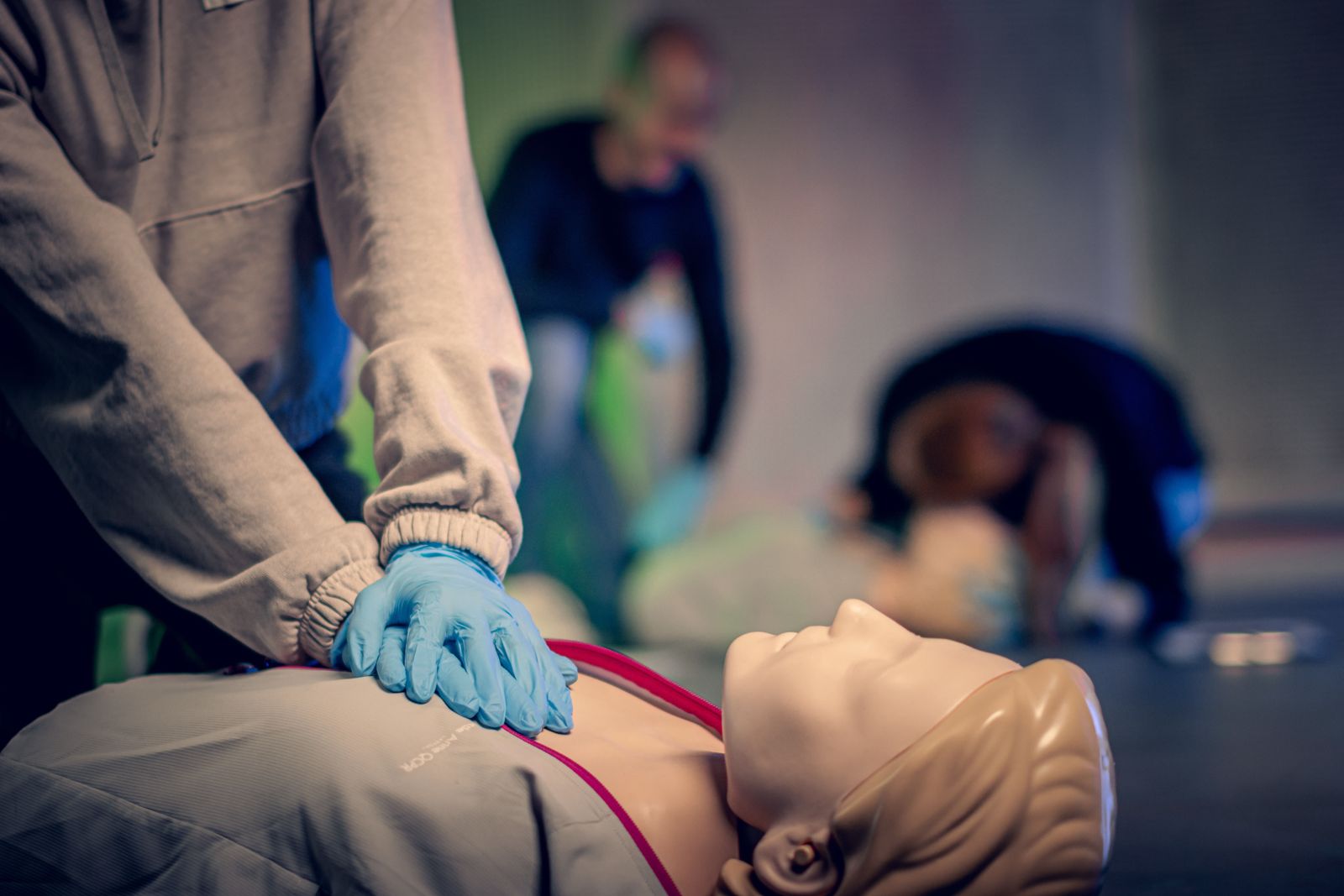
What are vital signs?
In first aid, what matters most is whether consciousness and breathing are normal. With more advanced training, measurements and their documentation are added.
Anatomy and background
Typical normal values in adults at rest:
Normal values at a glance
- Respiratory rate: about 12–20 per minute
- Pulse: about 60–100 per minute
- Blood pressure: optimal below 120/80 mmHg
- Oxygen saturation: about 95–100%
- Body temperature: about 36.5–37.5 °C
- Fasting blood sugar: about 3.9–5.5 mmol/l
- Consciousness: awake and oriented (AVPU: A)
Recording and documenting
- Take readings several times and note them with the time
- Watch the trend: deterioration matters more than a single value
- Hand over the values to the ambulance service in a structured way
- Never put measurements before life-saving measures
Recommended training
Vital signs and handover reports are learning objectives of IVR First Aid Level 2 and 3.
Occupational health recommendation
Vital signs are part of every occupational health examination and serve as the basis for aptitude and preventive assessments. In corporate health management, measurements at health days can help raise awareness.
Frequently asked questions about Vital signs
What vital signs are there?
Consciousness, breathing, pulse, blood pressure, oxygen saturation, temperature and blood sugar.
What is most important for laypeople?
Consciousness and normal breathing.
Why write them down?
So that the ambulance service can follow how the condition has developed.
What is AVPU?
A scale for consciousness: alert, responds to voice, responds to pain, unresponsive.