
Occupational medicine
Psychosocial strain
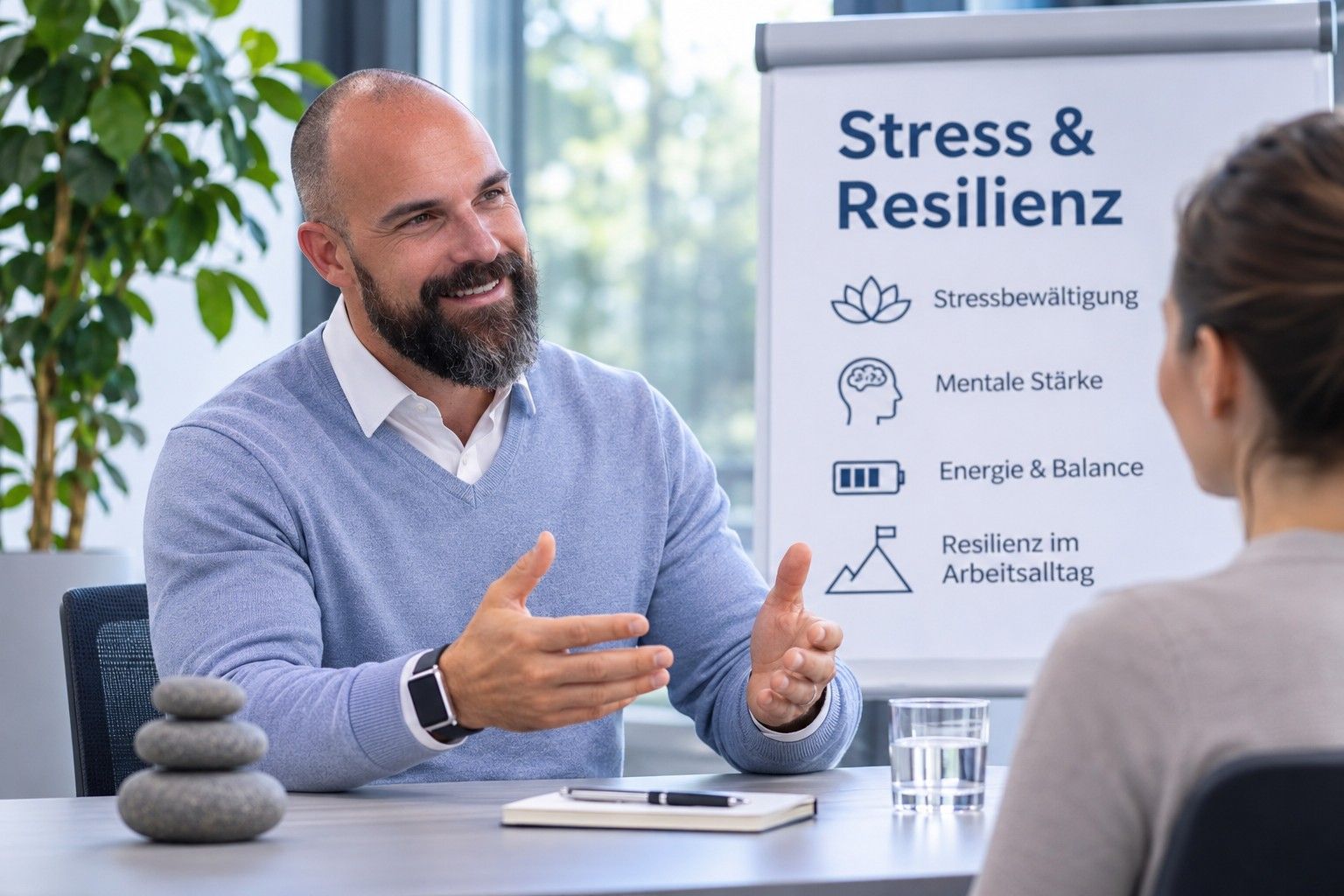
Psychosocial strain refers to factors in work organisation, the social environment and work content that can impair mental health, such as time pressure, overload, conflicts, bullying, sexual harassment or lack of recognition.
4 frequently asked questions · sources at the end of the article
What is it about?
Psychosocial risks can lead to stress, exhaustion, sleep disorders, anxiety, depression and physical complaints. Their effects are often gradual.
Origin and purpose
With the changing world of work, psychological strain has come more into focus. The labour inspectorates have made psychosocial risks a priority of their enforcement activities.
Legal basis
- Swiss Labour Act (ArG), SR 822.11 – fedlex.admin.ch, Art. 6 (protection of personal integrity)
- Ordinance 3 to the Labour Act (ArGV 3), SR 822.113 – fedlex.admin.ch, Art. 2
- Swiss Code of Obligations (OR), SR 220 – fedlex.admin.ch, Art. 328 (protection of personality)
- Gender Equality Act (GlG), SR 151.1, Art. 4 (sexual harassment)
What the law requires
The employer must also protect mental health and safeguard personal integrity. This includes measures against bullying and sexual harassment as well as a point of contact for those affected.
What makes sense in practice
Identify risks (surveys, interviews), improve work organisation, train managers, set up an internal or external confidential counselling service and offer support at an early stage.
Who is this relevant for?
- All industries, especially healthcare, education, the social sector, emergency services and customer service
Frequently asked questions about Psychosocial strain
What counts as psychosocial strain?
Time pressure, overload, conflicts, bullying, harassment, insecurity, lack of recognition.
Does the employer have to do something?
Yes, health protection also covers mental health.
What is a confidential counselling service?
A neutral point of contact for people affected by conflicts, bullying or harassment.
How does corporate health management help?
With analysis, leadership training, stress prevention and health programmes.