
First aid and emergency medicine
Defibrillation
Defibrillation is the delivery of an electric shock that, in ventricular fibrillation, interrupts the disorganised electrical activity of the heart so that the natural pacemaker can re-establish an organised rhythm. With an AED, laypeople can also defibrillate.
5 frequently asked questions · sources at the end of the article
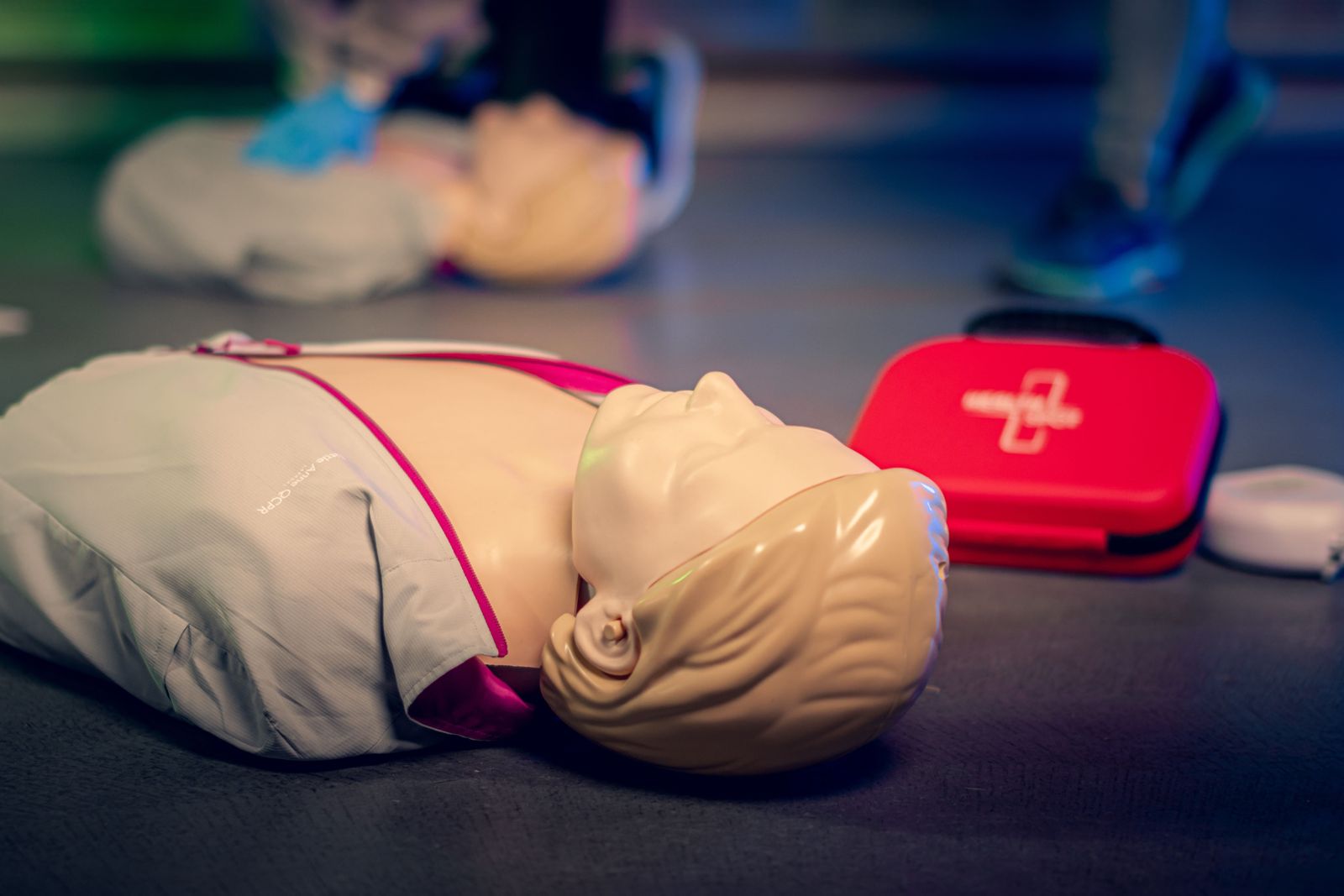
What is defibrillation?
Defibrillation only works for ‘shockable’ rhythms (ventricular fibrillation, pulseless ventricular tachycardia). It does not help with a flat rhythm (asystole) – in that case chest compressions are crucial.
Anatomy and background
In ventricular fibrillation, the heart muscle fibres twitch in an uncoordinated way and the heart pumps no blood. The electric shock depolarises all cells simultaneously; the sinus node can then take over the rhythm again. Every minute without defibrillation significantly reduces the chances of success.
When is defibrillation used?
- Unconsciousness
- No breathing or no normal breathing
- The AED analyses automatically whether a shock is needed
How it works
- Switch on the AED and follow the instructions
- Attach the pads to the bare chest
- Nobody touches the person during analysis and shock
- Resume chest compressions immediately after the shock
- Keep interruptions to chest compressions as short as possible
Recommended training
Defibrillation with an AED is core content of all BLS-AED-SRC courses.
Occupational health recommendation
The time to the first shock is decisive. Companies should check whether an AED is available within a few minutes at every workplace and include it in the emergency plan.
Frequently asked questions about Defibrillation
What is ventricular fibrillation?
A life-threatening arrhythmia in which the heart twitches in an uncoordinated way instead of pumping.
Does defibrillation help in every cardiac arrest?
No, only with shockable rhythms. The AED recognises this; chest compressions always remain important.
What do I do after the shock?
Resume chest compressions immediately and follow the AED's instructions.
Can I shock someone by mistake?
No, the AED only enables a shock if there is a shockable rhythm.
Can I defibrillate in wet conditions?
Get the person out of the water and dry the chest; on wet ground, use is possible with caution.