
Anatomy and first responder care
Traumatic brain injury
A traumatic brain injury (TBI) is an injury to the skull involving the brain, ranging from mild concussion to life-threatening bleeding in the brain. Causes include falls, blows, falling objects and road accidents.
4 frequently asked questions · sources at the end of the article
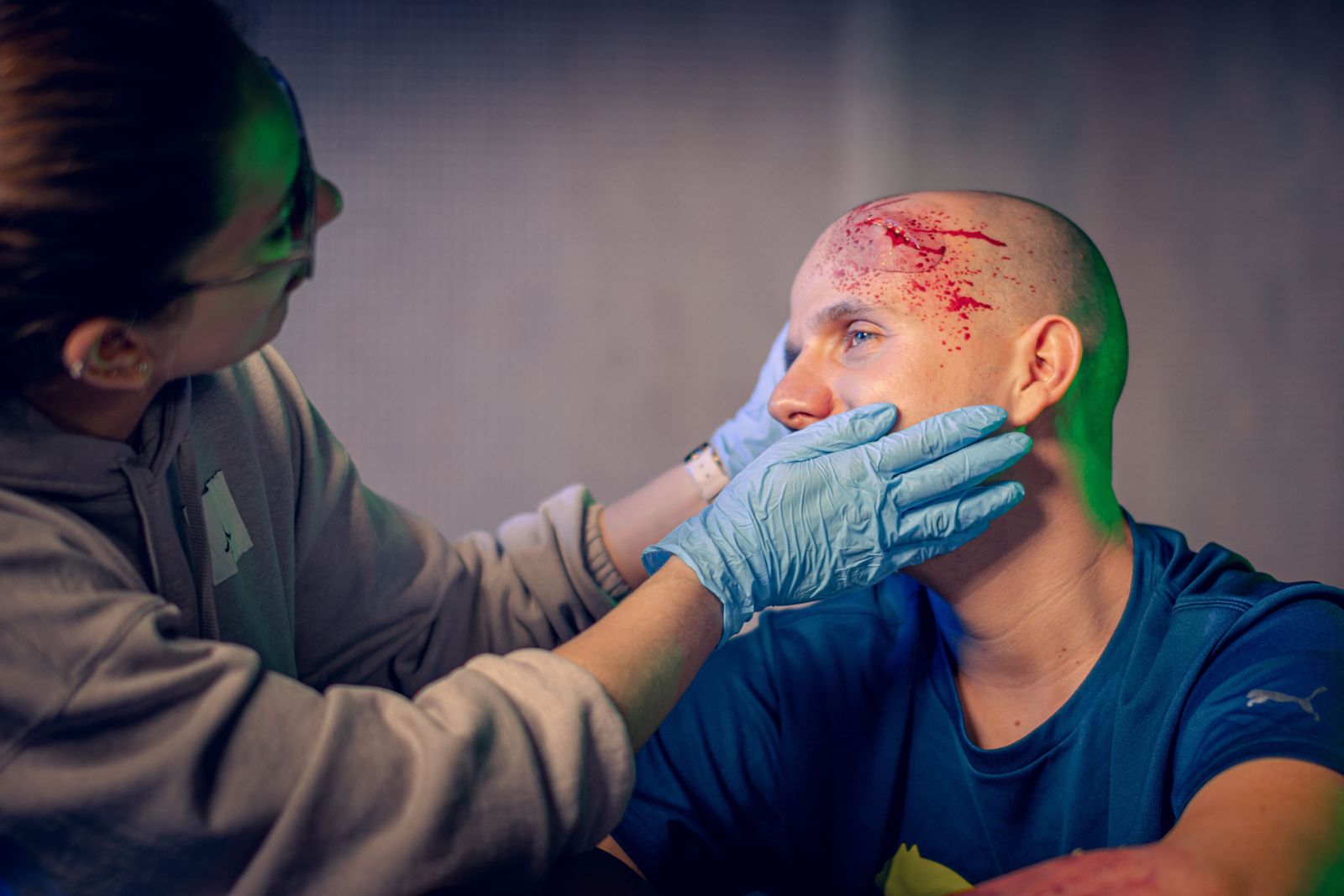
What is a traumatic brain injury?
A distinction is made between mild (concussion), moderate and severe traumatic brain injuries. Bleeding is particularly dangerous, as it may only become noticeable after several hours.
Anatomy and background
The brain is protected inside the bony skull, surrounded by the meninges and cerebrospinal fluid. Because the skull cannot give way, any swelling or bleeding increases the pressure inside the head and presses on vital centres.
Warning signs
- Headache, nausea, vomiting
- Brief unconsciousness, memory gap
- Confusion, drowsiness, restlessness
- Unequal pupils, paralysis, speech disorders
- Blood or clear fluid from the nose or ear
- Seizure
Measures
- Call 144 in the event of impaired consciousness, vomiting, neurological deficits or a severe mechanism of injury
- Keep the head and cervical spine as still as possible
- Conscious: position with the upper body slightly raised
- Unconscious with normal breathing: recovery position with careful stabilisation
- Cover wounds, continuously check consciousness and breathing
- Observe the person even after an apparently minor blow to the head
Recommended training
Head and spinal injuries are part of IVR First Aid; assessing consciousness using AVPU is covered in more depth at Level 2.
Occupational health recommendation
Prevention through safety helmets on construction sites, protection against falling objects and fall protection. After a traumatic brain injury, fitness for work, particularly for driving or safety-critical activities, must be assessed by a doctor.
Frequently asked questions about Traumatic brain injury
What is a concussion?
A mild traumatic brain injury with temporary impairment of brain function.
When do I need to call 144 after a blow to the head?
In the event of unconsciousness, vomiting, confusion, paralysis, unequal pupils or a severe mechanism of injury.
Why should the person be observed?
Because bleeding may only cause symptoms hours later.
When can the person return to work?
After assessment by a doctor, especially for driving or safety-related tasks.